
Choosing a high quality LMS for RTOs is one of the most important technology decisions an Australian Registered Training Organisation will make. While feature lists and pricing often dominate the buying process, they don’t always tell you whether a platform will continue delivering value after implementation.
A better approach is to evaluate each LMS against consistent criteria. Instead of asking which platform has the longest list of features, assess how well it:
- Improves everyday operations
- Supports the complete student journey
- Scales with your organisation’s growth
- Continues to evolve through ongoing product improvements
- Delivers long-term value beyond its purchase price
This evaluation framework will help you compare LMS providers objectively before making your investment.
Evaluation Criterion 1: Does the Platform Improve Everyday Operations?

An LMS should simplify everyday work rather than introduce additional administration.
Quality training delivery software helps trainers manage assessments, monitor student progress, communicate with students, and deliver learning from one integrated platform instead of relying on multiple disconnected systems.
Questions to ask during a demo
- Can you demonstrate how a trainer marks assessments?
- How does the platform track student progress?
- Can trainers manage communication from within the LMS?
- How many systems are required to complete everyday tasks?
What to look for
Look for features that streamline daily workflows, including:
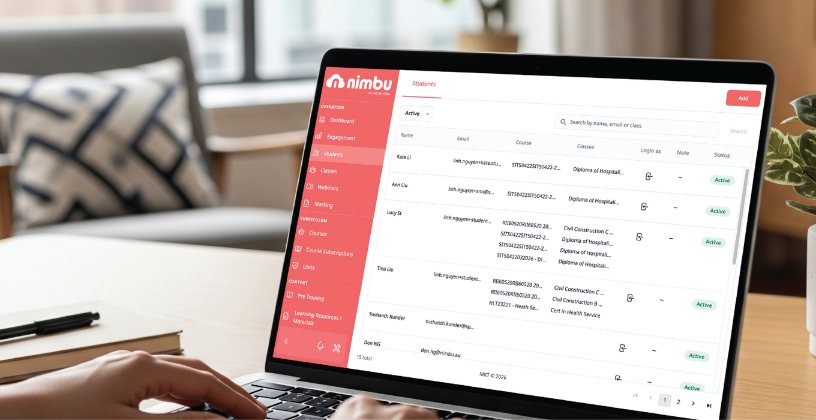
- Learning Journey
- Marking Dashboard
- Learning Progress Summary
- Practical Observations
These tools help reduce repetitive administration while giving trainers better visibility into student progress.
Red flags
Be cautious if the platform relies on:
- Manual spreadsheets
- Multiple logins
- Separate assessment systems
- Time-consuming administrative processes
Evaluation Criterion 2: Does It Support the Entire Student Journey?
A quality LMS should support students from enrolment through to course completion, rather than focusing only on online content delivery.
An integrated student management system should allow administrators and trainers to manage enrolments, learning materials, assessments, feedback, and progress from one platform.
Questions to ask during a demo
- How are enrolments managed?
- How do students access learning materials?
- Can students track their own progress?
- How are assessments submitted and returned?
What to look for
Look for capabilities such as:
- Microsites
- Learning Journey
- Self-Marking Quizzes
- Practical Observations
- Mobile-friendly access
These features create a more consistent experience for both trainers and students while reducing duplicated administration.
Red flags
Watch for platforms that require students to use multiple portals or provide limited visibility into their learning progress.
Evaluation Criterion 3: Can the Platform Grow with Your Organisation?
Your LMS should continue delivering value as your RTO expands.
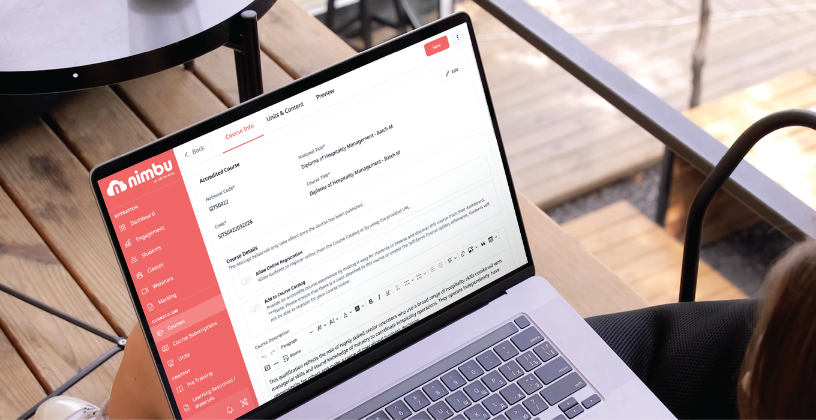
Reliable training management software should support new qualifications, additional trainers, larger student cohorts, and changing operational requirements without introducing unnecessary complexity.
Questions to ask during a demo
- How are new qualifications added?
- Can the platform support additional campuses or delivery locations?
- How does it manage increasing student numbers?
- What tools help reduce administration as the organisation grows?
What to look for
Scalable platforms typically include:
- Unit Versioning
- Cluster Units
- Self-Served Courses
- Michi AI Assistant
- Michi Tutor Assistant
These features help organisations scale efficiently while maintaining consistent training quality.
Red flags
Avoid platforms that require multiple add-ons, manual configuration, or additional software as your organisation grows.
Evaluation Criterion 4: Does the Provider Continue Improving the Platform?
Investing in an LMS also means investing in the company behind it.
A strong learning platform Australia provider should continually improve its software based on customer feedback, industry developments, and evolving operational requirements.
Questions to ask during a demo
- How often are product updates released?
- How is customer feedback collected?
- Are new features included in the subscription?
- What happens after implementation?
What to look for
Choose providers that offer:
- Regular platform enhancements
- Product roadmap updates
- Ongoing customer support
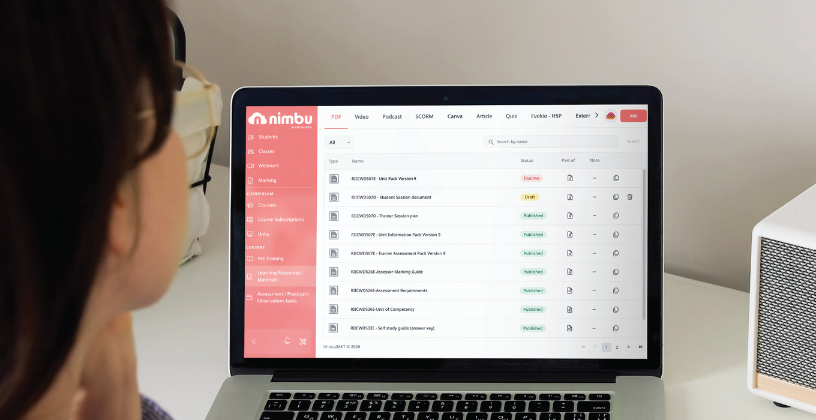
- Knowledge Base resources
- Product demonstrations and training
Continuous improvement helps ensure your LMS remains valuable as your organisation evolves.
Red flags
Be cautious if:
- Product updates are infrequent.
- Support ends after onboarding.
- New functionality is rarely introduced.
- Customers have little input into future development.
Evaluation Criterion 5: Compare Total Value, Not Just Price
Price is an important consideration, but it shouldn’t be the only factor influencing your decision.
The true value of an LMS comes from how effectively it improves productivity, supports staff, and reduces ongoing administration.
Rather than asking, “Which platform is cheapest?”, ask:
- Will it reduce trainer administration?
- Will it simplify student management?
- Will it replace multiple systems?
- Will it improve operational efficiency?
- Will it continue supporting our organisation as we grow?
A high quality LMS for RTOs delivers long-term value by helping your organisation operate more efficiently every day, not simply by offering the lowest subscription fee.
A Practical Checklist Before You Invest
Use this checklist when comparing LMS providers.
✔ Does it simplify everyday trainer workflows?
✔ Does it support the complete student journey?
✔ Can it scale as your organisation grows?
✔ Does the provider release regular product improvements?
✔ Is ongoing customer support included?
✔ Does it reduce administrative effort rather than add to it?
The more confidently a vendor can demonstrate these capabilities, the more likely you’re investing in a platform that will continue delivering value over the long term.